
 EN
EN
 AR
AR
 HR
HR
 CS
CS
 DA
DA
 NL
NL
 FI
FI
 FR
FR
 DE
DE
 EL
EL
 HI
HI
 IT
IT
 KO
KO
 NO
NO
 PL
PL
 PT
PT
 RO
RO
 RU
RU
 ES
ES
 SV
SV
 TL
TL
 ID
ID
 LT
LT
 SR
SR
 SK
SK
 SL
SL
 UK
UK
 VI
VI
 SQ
SQ
 TR
TR
 FA
FA
 AZ
AZ
 KA
KA
 BN
BN
 BS
BS
 LA
LA
 NE
NE
 KK
KK
 UZ
UZ
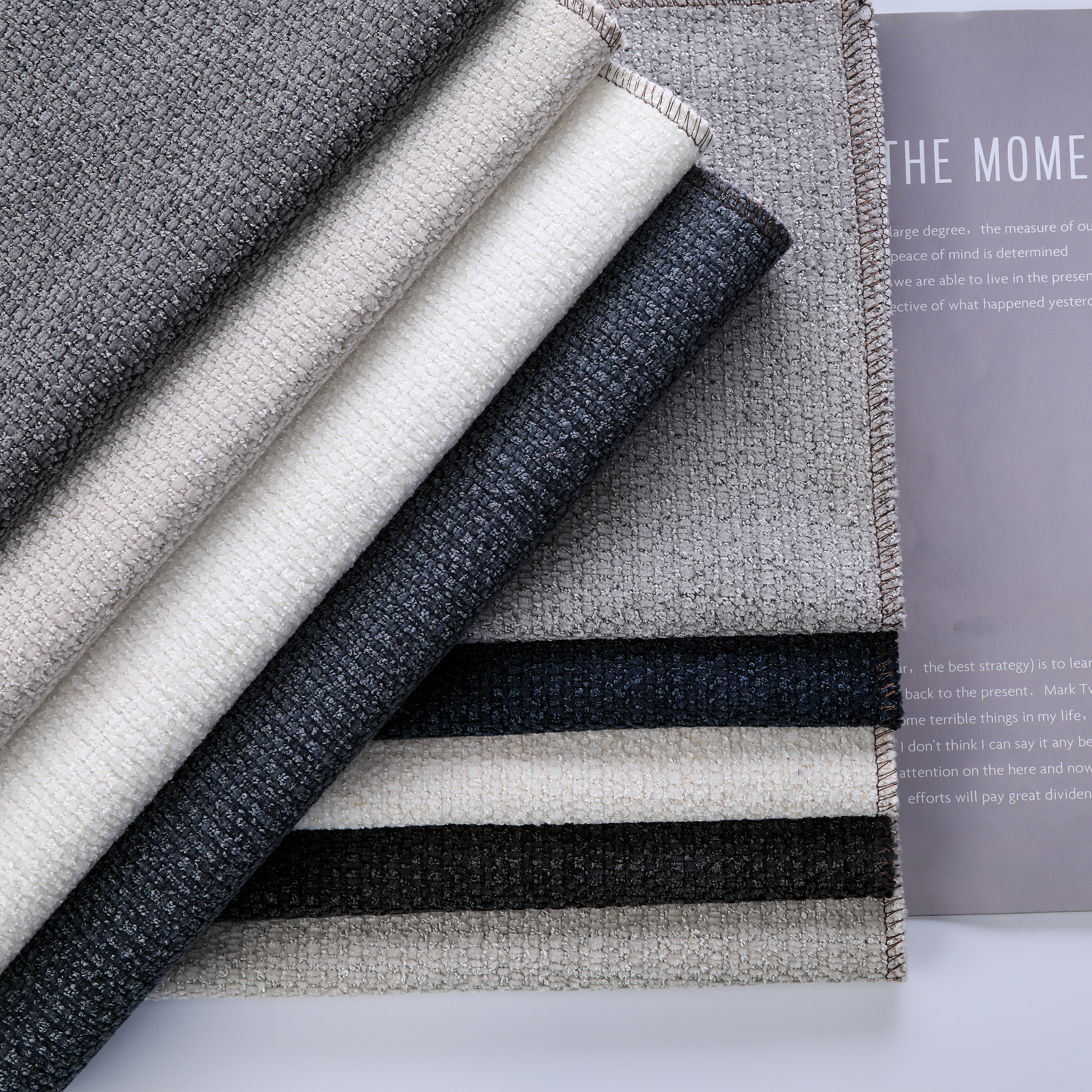
To furniture manufacturers, interior designers as well as serious home decorators, the choice of chenille fabric is an investment. Its smoothness and deepness are the main factors that make it attractive. Nevertheless, a sofa or a chair can be as good as long as it lasts, and there is nothing that will spoil the future of any material like a color that fades, bleeds, or transfers. Non-negotiable quality marker is colorfastness, that is the ability of a fabric to deposit its color under different conditions. Here is a practical advice on how to evaluate it then you will be making a purchase commitment.
The reason Chenille has to have Colorfastness.
The heavy construction of chenille with its yarn construction may pose special dye penetration difficulties. The lack of colorfastness may cause a number of problems:
Fading: This is the loss of color unevenly due to sunlight or cleaning.
Bleeding: Colour spurts to other material when it is being spot cleaned or when it is moist.
Crocking: The transmission of dry friction to other surfaces or lighter fabrics in color.
Prior verification of such problems will save your project a lot of money in returns and unsatisfied end user.
Pre-Purchase Check-up: Interrogatives to Your Supplier.
The first line of defense is an open and trusted supplier. Direct questions to be asked before ordering are:
Please can you submit official test reports on colorfastness? Standardized lab tests are undertaken by a professional manufacturer. The two important standards that should be considered are:
Colorfastness to Rubbing (Crocking) ISO 105-X12 / AATCC Test 8: Dry and wet transfer.
Colorfastness to Light: ISO 105-B02 / AATCC 16: Radioluminescence - Determines the capability of a fabric to resist fading induced by artificial or natural light.
Isa 105-e04/ AATCC 107: colorfastness to water- Tests bleeding in wet environments.
Supplier such as Hi Fab by Tongxiang Run and Fun Textile follows high quality control and test standards and is usually able to show evidence of the same testing which provides you with data-based confidence.
What is the dyeing technique and content of the fiber? Yarns that use solution-dyed or fiber-dyed (where color is added during production of the material) frequently have better colorfastness properties than dyed fabrics. The knowledge on the fiber base (polyester, cotton, acrylic, etc.) also tells the performance expectations.
Easy Practical Tests to be done.
In case you have a physical swatch or sample, these quick checks can be used to provide instant information:
White Cloth Rub Test (Crocking):
Dry Test: Rub a damp white cotton cloth or white paper towel vigorously over the chenille fabric ten-fifteen seconds. Check the white cloth to see whether it has any color transfer. Even the slightest tint shows that there could be some issues with dry transfer onto light-colored clothes.
Wet Test: Wet a piece of the chenille fabric with some drops of distilled water. Cover the wet area with a dry white cloth and press hard on it, in 30 seconds. Look at the white linen whether it is bleeding. This gives the impression of a spill or spot cleaning.
The Moisture / Friction Test (of Bleeding):
Flip the swatch of chenille over itself with right sides being in contact with a different color. Wet it a little with water, and put something heavy on it. Wait an hour, and examine the contact points. Any movement of the color in one region to another is a warning.
The Light Exposure Test: This does not need to be done right now, but as much as possible, compare a swatch kept in a drawer with one in an open showroom. Fading is observable in the display sample indicating low lightfastness.
The Hi Fab Standard: Designed to be Beautiful Forever.
At Hi Fab we realize that colorfastness is part of our commitment to deliver a high quality solution. Our chenille fabrics are designed not only to deliver their soft, natural touch and special performance of water/oil resistance, fire retardancy, or anti-bacterial, but also long-lasting visual integrity. Our colorfastness is obtained by:
High Quality Dyes and Control Dyeing Processes: We apply high quality dyes and fine controlled dyeing processes that provide deep penetration evenly into the dense chenille yarn.
Strict Pre-Shipment Testing: All batches are also put through the standard industry tests to ensure performance in regard to rubbing, light, water and perspiration.
Performance That Lasts: Our functional finishes are designed to fit well with the color and a fabric that is treated to be stain resistant will also preserve the richness of its color through years of use and washing.
Finding: An Active Prevention Saves Time and Face.
Never assume colorfastness. It is paramount that you make these verification processes, which include requesting documentation and carrying out basic tactile tests, part of the sourcing process. The collaboration with a manufacturer that values laboratory testing and clear quality assurance, such as Hi Fab, is the most reliable basis. It has made sure that the luxurious chenille that you buy now won’t fade away, and that its rich, inviting color will remain as beautiful and valuable to your furniture as long as you have.
Invest in chenille that is indeed beautiful. Select Hi Fab when high levels of colorfastness need to be incorporated into each fiber of the fabric.